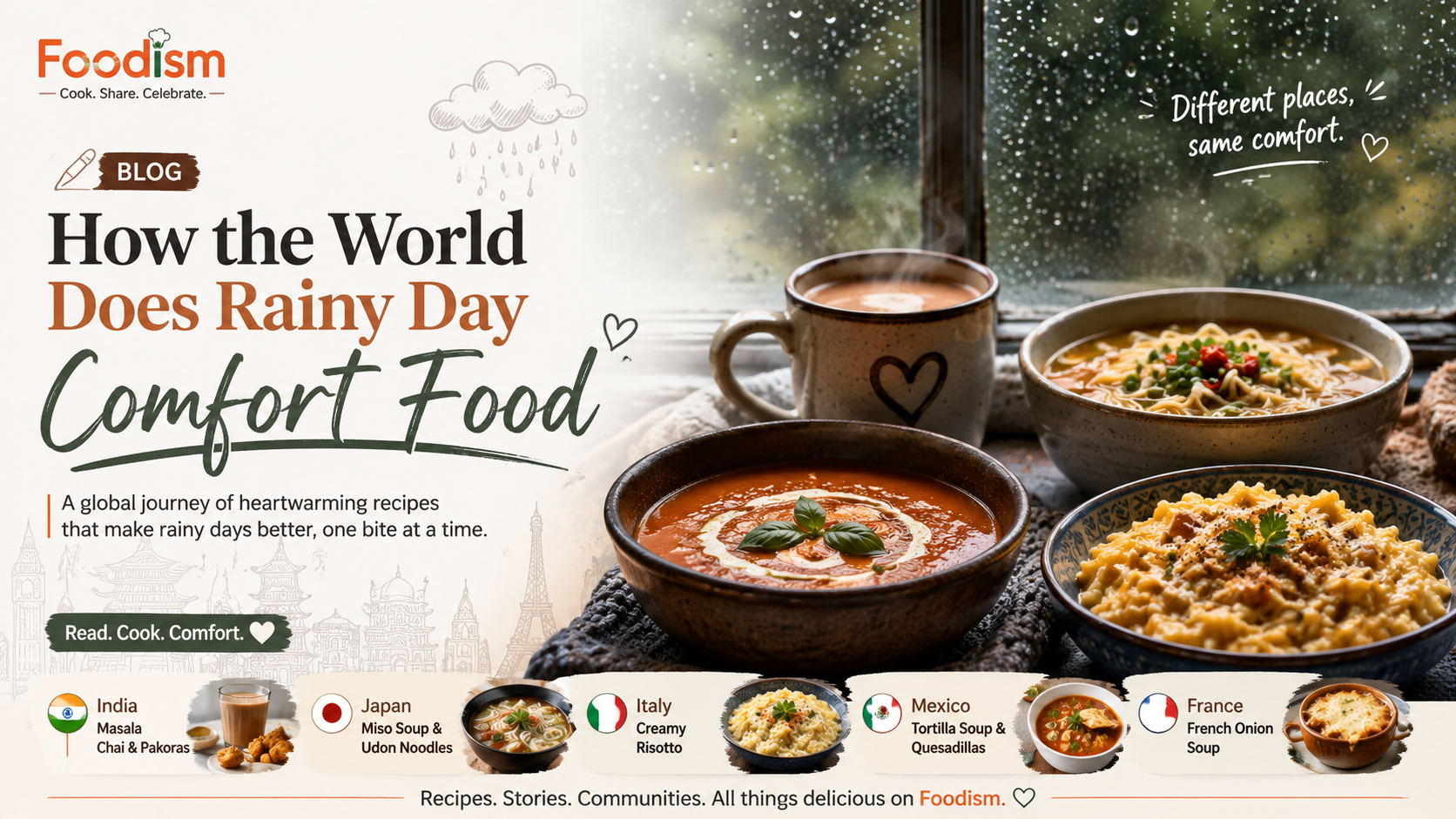
Under the Umbrella: How the World Does Rainy-Day Comfort Food
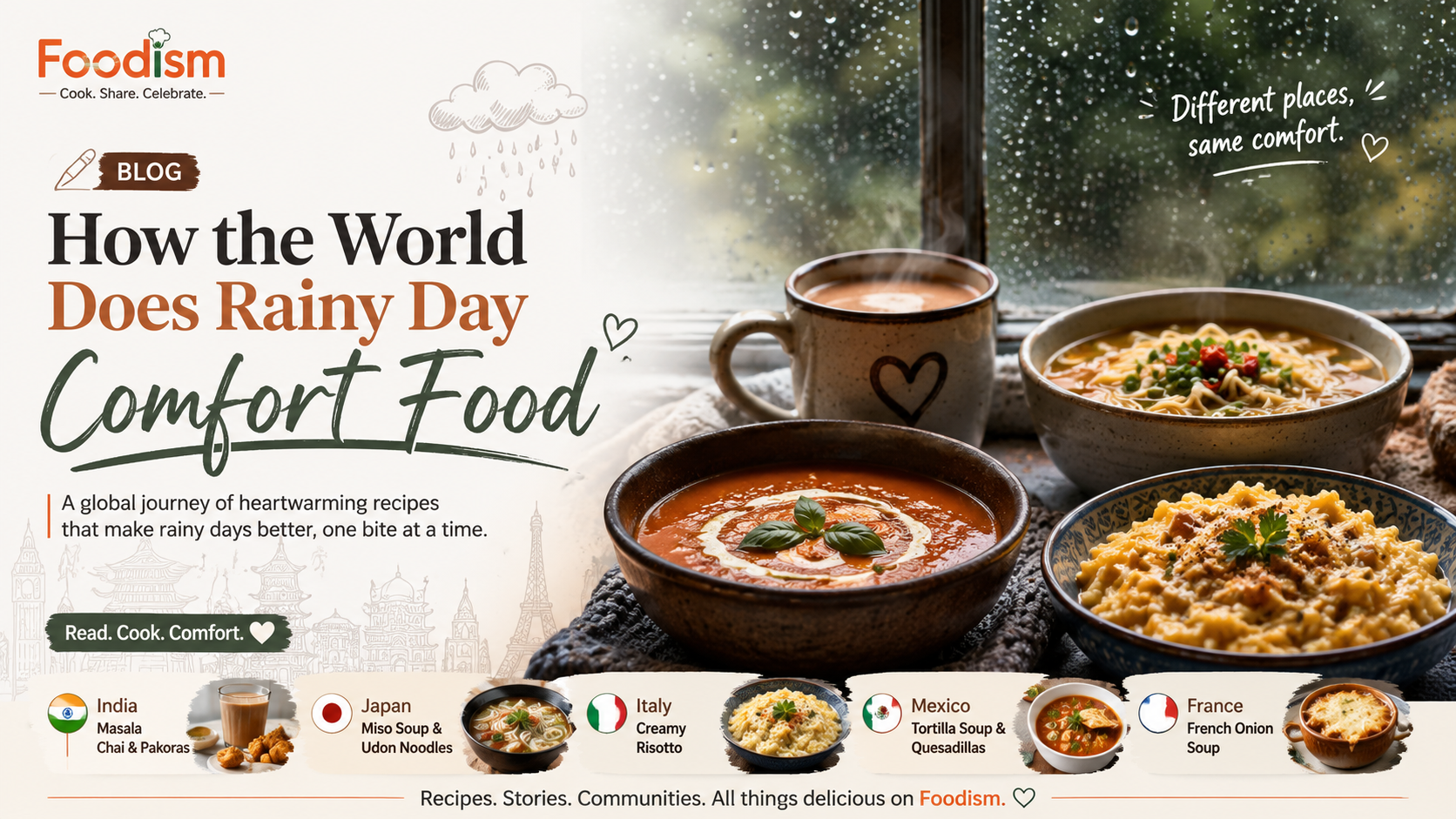
There is a universal language spoken when raindrops start tapping against the windowpane. It doesn’t matter if you are watching a grey drizzle blanket the streets of Paris, enduring a sudden tropical downpour in Mexico City or seeking refuge from a relentless monsoon in Tokyo - the human response to rain is remarkably synchronized. We seek warmth. We look for shelter. And, most importantly, we crave specific, soul-warming foods that make the damp world outside vanish for an hour or two.
Rainy-day comfort food is rarely about avant-garde culinary techniques or delicate plating. It is about texture, memory and heat. It is food that acts like a heavy blanket, relying on rich broths, slow-simmered carbohydrates and deep, nostalgic flavours to combat the gloomy chill.
If you are stuck inside while the clouds do their worst, let this culinary tour inspire your next storm-induced kitchen session. Here is how different cultures around the world transform a rainy day into a celebration of comfort.
France: The Liquid Embrace of Soupe à l’Oignon
In France, a rainy afternoon demands a visit to a corner bistro, where the windows are fogged over and the air smells faintly of butter and old paper. The ultimate antidote to a dreary Parisian sky is a steaming crock of soupe à l’oignon (French onion soup).
The Anatomy of Comfort: French Onion Soup:
Gruyère Cheese (Melted, browned and blistered)
Crostini (The structural, broth-soaked bread layer)
Deep Beef Stock (Rich, velvety, and deeply savoury)
Caramelized Onions (Sweet, jammy, and slow-cooked)
On paper, the dish is astonishingly humble: onions, beef stock, bread and cheese. But its magic lies in patience - a virtue well-suited for a day spent trapped indoors. The onions are cooked down painstakingly slow, often for close to an hour, until their sharp, sulphurous bite completely collapses into a sweet, mahogany-coloured jam.
Deftly deglazed with white wine or a splash of sherry, the onions are then drowned in a rich, deeply savoury beef stock. The crowning achievement, however, is the structural engineering of the bowl. A sturdy slice of toasted baguette is floated on top of the broth, acting as a raft to support a thick blanket of grated Gruyère cheese. Placed under a roaring broiler, the cheese bubbles, browns and forms a blistered, chewy seal.
Breaking through that cheese crust with a spoon releases a plume of aromatic steam. It is sweet, salty, deeply savoury, and incredibly filling - the ultimate sensory shield against a damp day.
Japan: The Precision and Warmth of Ramen
Across the globe in Tokyo, rain often brings a brisk, humid chill that cuts right through a jacket. The instinctive refuge for locals is a tachikui (stand-and-eat) noodle shop or a subterranean ramen alley. Here, rainy-day comfort is served in deep, ceramic bowls filled with complex broths and springy noodles.
While ramen is eaten year-round, it hits differently when you can hear the rain drumming on the shop’s awning. The choice of broth is deeply personal, but on a truly miserable day, many turn to Tonkotsu (pork bone) ramen.
The Secret to Tonkotsu:
This opaque, milky broth is created by boiling pork marrow bones over high heat for up to 12 to 18 hours. This intense process breaks down the collagen and fat, emulsifying it into a velvety, micro-thick liquid that literally coats your throat, providing instant insulation from the cold.
Nestled inside this broth are perfectly alkaline noodles, a slice of tender chashu (braised pork belly), bamboo shoots, and an ajitsuke tamago (soft-boiled marinated egg) with a jammy, golden yolk. Eating ramen in Japan is an active, sensory experience. You are encouraged to slurp the noodles quickly and loudly. This isn't just a lack of manners; drawing air into your mouth along with the noodles cools them slightly while atomizing the flavour profiles of the broth. By the time you drain the bottom of the bowl, the damp world outside feels a million miles away.
Mexico: The Sweet, Crispy Solace of Churros y Chocolate
When a heavy tropical storm rolls through Mexico, the temperature drops, and the air turns thick with moisture. While savoury soups like pozole are highly popular, rainy afternoons hold a special, sacred place for something sweet: churros y chocolate.
Mexican churros are a master class in contrasting textures. Made from a simple choux-like pastry dough fried to a dark, deep golden brown, they are immediately rolled in a generous mixture of granulated sugar and fragrant Ceylon cinnamon. The exterior boasts a loud, satisfying crunch, while the interior remains remarkably soft, airy and tender.
But a rainy-day churro is incomplete without its liquid counterpart. This is not the milky, powdery hot cocoa found in Western grocery aisles. Authentic Mexican hot chocolate is traditionally made by dissolving discs of unrefined paste dark chocolate - infused with sugar, cinnamon and sometimes ground almonds or chilli - into boiling water or milk.
Using a wooden whisk called a molinillo, the cook rolls the utensil between their palms, frothing the chocolate until a thick, luxurious foam rises to the top. Dipping a hot, crispy, sugar-dusted churro into this deeply spiced, bittersweet chocolate creates an intense burst of warmth that makes the greyest afternoon feel like a fiesta.
Around the World in Three More Bowls
The human instinct to cook something comforting during a storm crosses every border. If you look closely at international rainy-day traditions, you’ll find that they almost always prioritize heavy carbs, slow cooking or crispy fats.
South Korea (Jeon and Makgeolli): In South Korea, the sound of rain falling is famously said to mimic the sound of sizzling oil. Because of this, rainy days automatically trigger a craving for jeon (savoury pancakes). Whether stuffed with green onions (pajeon) or spicy kimchi (kimchijeon), these flat cakes are fried to a crispy perfection and traditionally washed down with makgeolli, a sweet, milky, lightly sparkling unfiltered rice wine
India (Masala Chai and Pakoras): When the monsoon seasons hit the Indian subcontinent, life moves indoors, and the stove gets lit. The go-to comfort combination is a steaming cup of Masala Chai - black tea boiled heavily with milk, cracked ginger, cardamom and cloves - paired with a plate of fresh pakoras. These bite-sized vegetable fritters are dredged in a spiced chickpea flour batter and deep-fried until jagged and ultra-crispy
The United Kingdom (Sticky Toffee Pudding): Given how much rain the British Isles endure, they have perfected the art of the indoor dessert. A damp, foggy evening is best countered with a massive slice of sticky toffee pudding. This dense, intensely moist sponge cake is packed with finely chopped dates, completely smothered in a rich, warm, velvety toffee sauce and served with a river of cold custard
THE CROSS-CULTURAL EQUATION OF RAINY-DAY EATING
Why do we do this? Why does a change in the barometric pressure send us running to the kitchen for starchy, hot and fatty foods?
There is, of course, a biological element. Cool, rainy weather drops our core body temperature, signalling our brains to seek out calorie-dense foods to stoke our internal furnace. But the emotional component is far more powerful. Rain forces us to slow down. It cancels outdoor plans, keeps us anchored in place, and shrinks our world down to the size of a kitchen or a dining table.
The foods we choose on these days are a deliberate rebellion against the bleakness outside. They require time to prepare, they fill our living spaces with intoxicating aromas and they remind us of comfort, safety and home.
So, the next time the skies turn dark and the forecast calls for a downpour don't look at it as a ruined day. Look at it as a perfect culinary excuse to select a destination, fire up the stove and cook yourself some peace of mind.
Related Blogs

Celebrate Onam and Raksha Bandhan with the Foodism x Orika
386 Views

The Culinary Synergy: How 5 Iconic Brands Cooked Up Over 1,000 Recipes
502 Views
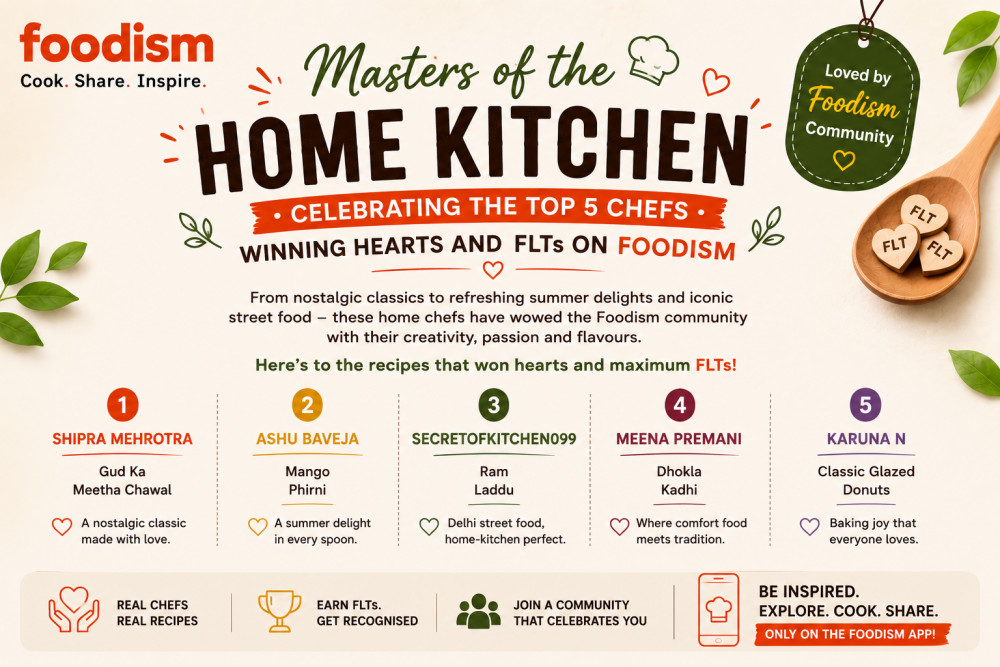
Masters of the Home Kitchen: Celebrating the Top 5 Chefs Winning Hearts and FLPs
486 Views
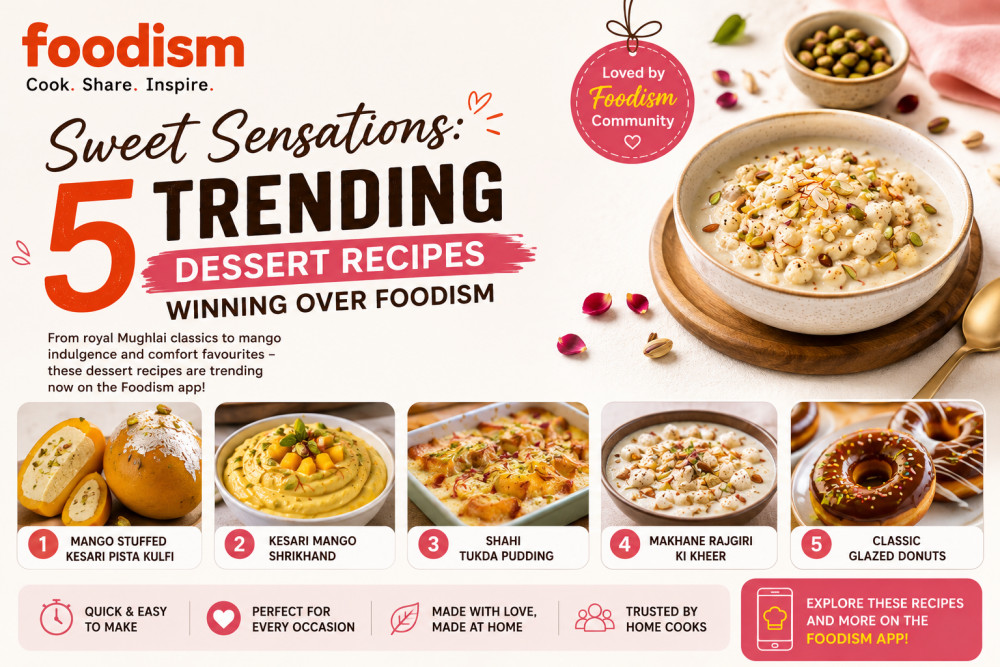
Sweet Sensations: 5 Trending Dessert Recipes Winning Over Foodism
374 Views
5 Trending Recipes on Foodism App You Need to Try
321 Views
